Πέμπτη 6 Δεκεμβρίου 2012

ΑΓΙΟΣ ΝΙΚΟΛΑΟΣ Ο ΦΤΩΧΟΣ ΣΤΗΝ ΚΩ

ΑΓΙΟΣ ΝΙΚΟΛΑΟΣ Ο ΦΤΩΧΟΣ
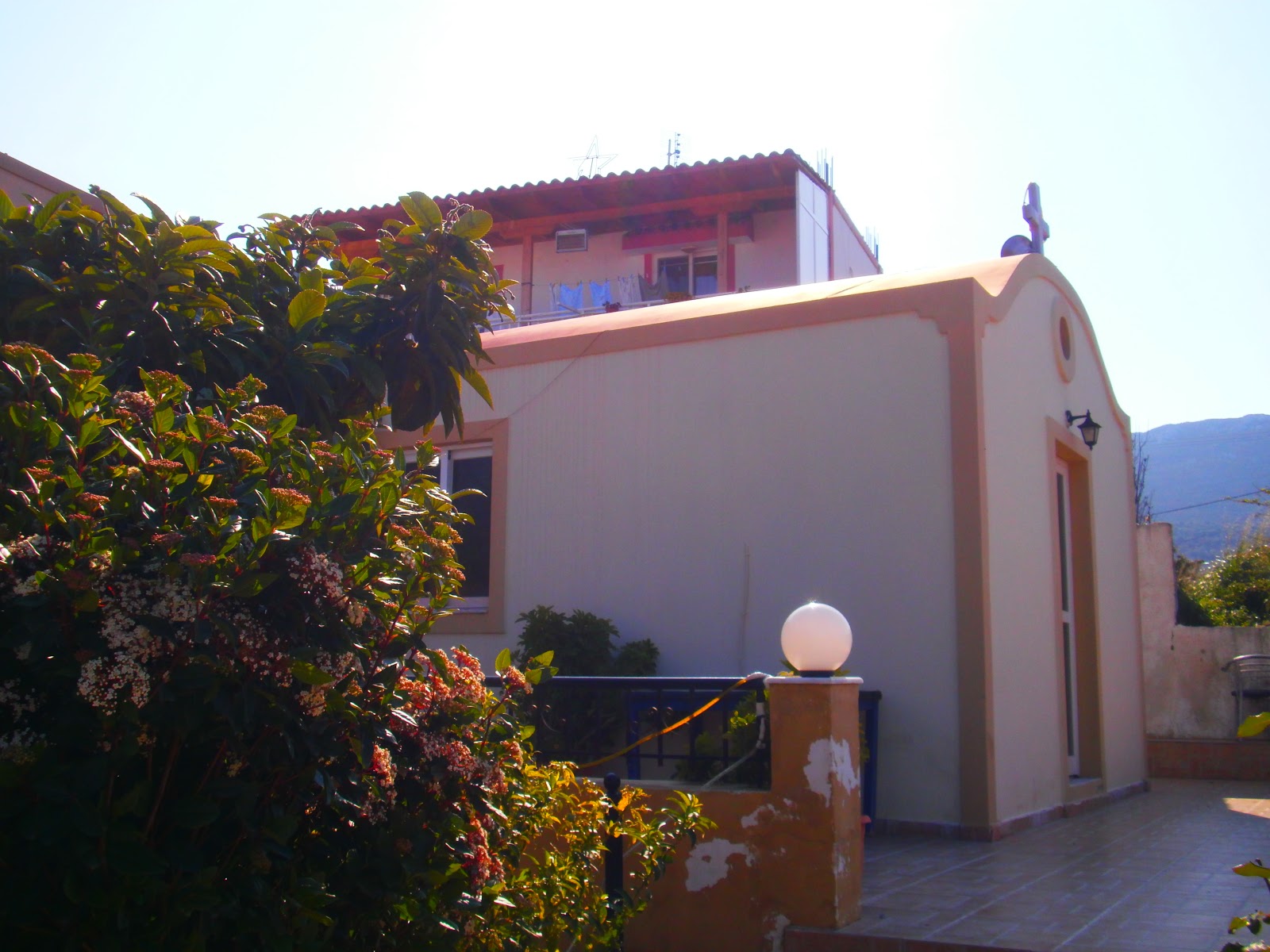
η είσοδος του ναού σήμερα

το 2012
Το Εκκλησάκι του Αγίου Νικολάου του Φτωχού, το οποίο βρίσκεται στην οδό Αρτεμησίας απέναντι από το Στάδιο Κω, αποτελεί ένα σημαντικό μνημείο, το οποίο χτίστηκε κατά το 14ο με 15ο αιώνα και από τότε διασώζει δύο στρώματα τοιχογραφιών και πολλές χρονολογίες-χαράγματα.
Προσφέρει πολύτιμες πληροφορίες για τη θρησκευτική και κοινωνική ζωή, όπως για την τέχνη της εποχής στην Κω. Γιορτάζει στις 20 Μαΐου.
ο Άγιος Νικόλαος ο Φτωχός το 2001
Είναι μικρός μονόχωρος καμαροσκέπαστος ναός με αψίδα ημικυκλική. Το προσωνύμιο "Ο Φτωχός" πολύ πιθανόν να αναφέρεται στη φιλανθρωπική δράση του Αγίου ως προστάτη των φτωχών.
Δεν αποκλείεται όμως να δόθηκε μετά το 1860, σε αντιδιαστολή με το μεγαλοπρεπή Μητροπολιτικό ναό του Αγίου Νικολάου που χτίστηκε τότε.
Το πρώτο στρώμα τοιχογραφιών τοποθετείται κυρίως το 15ο αιώνα., το δεύτερο στο διάστημα 1538-1565.
Το εσωτερικό του ναού
Οι τρεις Στρατηγοί μπροστά στον Άγιο Νικόλαο
Υπόλειμμα σκηνής "Σχολείου"-Χειροτονία Αγίου Νικολάου σε Διάκονο
Ο κύκλος του βίου του αγίου Νικολάου είναι η καλύτερα διατηρημένη σειρά παραστάσεων μέσα σε ναό. Οι δύο πρώτες παραστάσεις σήμερα κατεστραμμένες ήταν η Γέννηση του Αγ. Νικολάου και το Σχολείο. Ακολουθούν δύο από τις τρεις χειροτονίες του Αγίου (σε διάκονο και μετά σε επίσκοπο).
Έπειτα εικονίζεται η ιστορία των τριών στρατηγών. Ο Άγιος σώζει τρεις αθώους στη Λυκία από το δήμιο. Τυχαία στο περιστατικό παρίστανται τρεις στρατηγοί του Μεγ. Κωνσταντίνου.
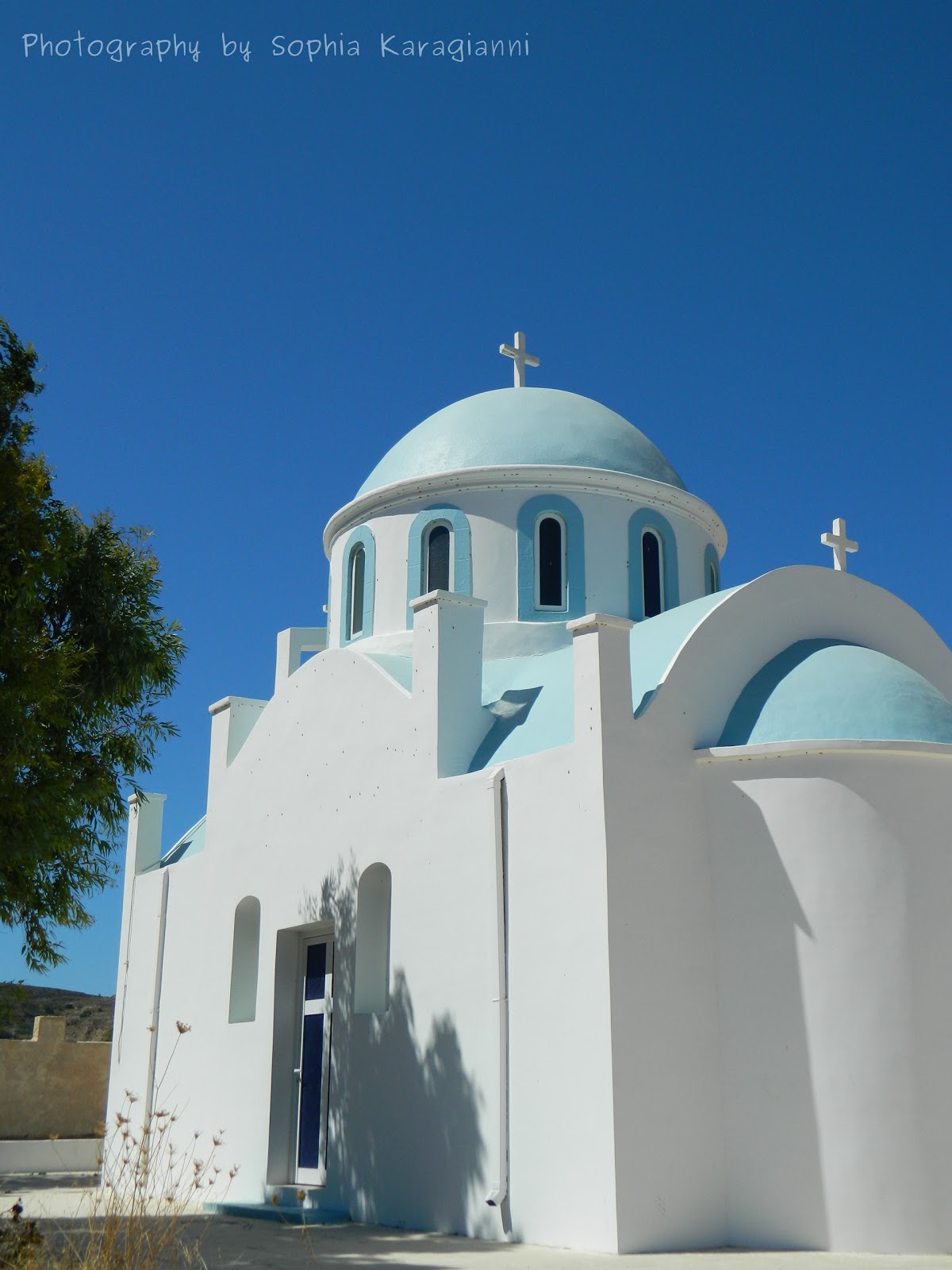
ο Άγιος Νικόλαος ο Φτωχός το 2011
Αυτοί αργότερα κατηγορούνται άδικα στο Μ.Κων/νο ως προδότες από τον Έπαρχο της Κων/πολης Αβλάβιο και ρίχνονται στη φυλακή. Όταν ειδοποιούνται ότι πρόκειται να εκτελεστούν, θυμούνται τη θαυματουργική επέμβαση του Αγίου στη Λυκία και τον θερμοπαρακαλούν να σώσει και τους ίδιους.
Ο Άγιος εμφανίζεται στο όνειρο του Μεγάλου Κωνσταντίνου και του Αβλαβίου και διατάζει την απελευθέρωσή τους. Το επόμενο πρωί ο Μ. Κων/νος καλεί τους στρατηγούς, τους ρωτάει για τον Άγιο και του στέλνει με αυτούς δώρα. Στη συνέχεια, οι τρεις στρατηγοί παρουσιάζονται στον Άγιο, τον ευχαριστούν και του προσφέρουν τα δώρα του Μ. Κων/νου. Ακολουθεί το θαύμα της προικοδότησης των τριών αδερφών. Έπειτα, πιθανόν ν' απεικονιζόταν ένα από τα θαλασσινά θαύματα του Αγίου και ίσως η κοίμησή του.
ο Άγιος Νικόλαος ο Φτωχός το 2012
Μαρμάρινη λεπτομέρεια

φωτογραφίες: Sophia Karagianni
κείμενο Ιστορία της Κω Γ' τόμος-Α. Κίννα, Δ. Κώστογλου, Ο. Τουρκομανώλη, Μ. Φάκκου, Κ. Χατζηνικολάου, Δ. Σοφού (σελίδα 33)

Ακολουθεί η μετάφραση του κειμένου στα αγγλικά:

SAINT NICHOLAS THE POOR

The small church of Saint Nicholas the Poor, located on Artemesias Street opposite the Kos Stadium, is an important monument dating from the 14th–15th century. Since its construction, it has preserved two layers of wall paintings as well as numerous dated inscriptions and graffiti, offering valuable information about the religious and social life of the period, as well as the art of medieval Kos.

Saint Nicholas the Poor in 2001

It is a small, single-aisled, barrel-vaulted church with a semi-circular apse. The epithet “the Poor” most likely refers to Saint Nicholas’ charitable activity as the protector of the poor.
However, it is also possible that the name was given after 1860, in contrast to the imposing Metropolitan Church of Saint Nicholas that was built at that time.
The first layer of wall paintings dates mainly to the 15th century, while the second layer dates to the period 1538–1565.

Interior of the church

Iconographic Program
The Three Generals before Saint Nicholas
Remains of the “School” scene – Ordination of Saint Nicholas as Deacon

The cycle of the Life of Saint Nicholas is the best-preserved narrative series depicted inside a church. The first two scenes, now destroyed, were the Birth of Saint Nicholas and the School. These were followed by two of the three ordinations of the Saint (first as Deacon, then as Bishop).

Next is depicted the story of the Three Generals. Saint Nicholas saves three innocent men in Lycia from execution. By chance, three generals of Emperor Constantine the Great are present during this event.

Saint Nicholas the Poor in 2011

Later, these generals are falsely accused of treason against Constantine the Great by Ablabius, Prefect of Constantinople, and are thrown into prison. When they are informed that they are about to be executed, they recall the Saint’s miraculous intervention in Lycia and fervently implore him to save them as well.

Saint Nicholas appears in a dream to Constantine the Great and to Ablabius, ordering the generals’ release. The following morning, Constantine summons the generals, questions them about the Saint, and sends gifts to him through them. The three generals then present themselves before Saint Nicholas, thank him, and offer the gifts of Constantine the Great.

This is followed by the Miracle of the Dowry of the Three Sisters. Subsequently, one of the Saint’s maritime miracles may have been depicted, and possibly also his Dormition.

Saint Nicholas the Poor in 2012
Marble detail

Τετάρτη 5 Δεκεμβρίου 2012

ΑΓΙΟΣ ΝΙΚΟΛΑΟΣ-ΜΗΤΡΟΠΟΛΙΤΙΚΟΣ ΝΑΟΣ ΠΟΛΗΣ ΚΩ

 ΑΓΙΟΣ ΝΙΚΟΛΑΟΣ-ΜΗΤΡΟΠΟΛΙΤΙΚΟΣ ΝΑΟΣ ΠΟΛΗΣ ΚΩ
Το καμάρι των Κώων ήταν η ασύγκριτη σε μεγαλοπρέπεια εκκλησία του αγίου Νικολάου που το χτίσιμό της άρχισε το 1857 και τέλειωσε το 1862. Οι Κώοι δε δίστασαν να πουλήσουν πολλά ακίνητά τους για την αποπεράτωση του ναού, ο οποίος στοίχισε γύρω στα 400.000 γρόσια.
Ο Ζαράφτης περιγράφει την εκκλησία με κάθε λεπτομέρεια στα Κώια σ.115.
Ο Άγιος Νικόλαος επέζησε πάνω από 70 χρόνια, μέχρι που ο σεισμός της 23ης Απριλίου 1933 του προκάλεσε ανεπανόρθωτες βλάβες, με αποτέλεσμα να κατεδαφιστεί το 1934 από τους Ιταλούς.
Οι εργασίες ανατέθηκαν στην Ιταλική Εταιρεία Sardelli, της οποίας επιδίωξη ήταν να διασώσει το μαρμάρινο τέμπλο, το μαρμάρινο δεσποτικό θρόνο και τις τετράγωνες μαρμάρινες πλάκες του δαπέδου και να στερεώσει επί τόπου τις 8 μαρμαροκολόνες.
Το επίπονο αυτό έργο επιτελέστηκε με μεγάλη προσοχή από τον επιβλέποντα μηχανικό Coccheri και τους συνεργάτες του. Ο Coccheri, μάλιστα, καθώς ανέβηκε στη στέγη του υπό κατεδάφιση Ναού, έπεσε από ύψος τουλάχιστον 8 μέτρων, αλλά σώθηκε "ως εκ θαύματος". Το ατύχημα συγκίνησε πολύ το λαό της Κω, που θεώρησε το εγχείρημα πράξη αυτοθυσίας και το 1934 του απενεμήθη από τον Αρχιμ. Φιλήμονα Φωτόπουλο χρυσός σταυρός.
Στο μεταξύ γύρω στα τέλη του 1935 οι Ιταλοί ανακήρυξαν προστάτη τους και πολιούχο της Κω τον Άγιο Νικόλαο κι έστησαν το άγαλμα του σε κόγχη πάνω από τις δύο καμάρες που έχτισαν στην ακτή Μιαούλη (απέναντι από το μνημείο του Άγνωστου Στρατιώτη)
το σημείο που οι Ιταλοί έστησαν το άγαλμα του πολιούχου του νησιού Αγίου Νικολάου
Ο Άγιος Νικόλαος από την ταράτσα του 1ου Λυκείου
Ο Ναός τελικά αποπερατώθηκε στις αρχές του 1939. Η δαπάνη του έφτασε τις 350.000 λιρέττες. Έτσι οι Κώοι και ιδιαίτερα οι ενορίτες του Αγίου Νικολάου είδαν και πάλι ανοικοδομημένο "εκ βάθρων" το μεγαλοπρεπή Μητροπολιτικό τους Ναό.

λεπτομέρειες από ψηφιδωτά που υπάρχουν στον αύλειο χώρο
Ο Μητροπολιτικός Ναός του Αγίου Νικολάου υπέστη μεγάλες ζημιές κατά τη διάρκεια του σεισμού της 21ης Ιουλίου 2017 κι έκτοτε δεν είχε λειτουργήσει για 5,5 χρόνια μέχρι που αποκαταστάθηκε και επαναλειτούργησε το 2022.
το 2018,στην περιφορά της εικόνας του Αγίου Νικολάου
Σχετική ανάρτηση: ΑΚΟΜΗ 5 ΣΗΜΕΙΑ ΣΤΗΝ ΚΩ ΠΡΙΝ ΚΑΙ ΜΕΤΑ ΤΟ ΣΕΙΣΜΟ ΜΕΡΟΣ 2ο

Πηγή: Ιστορία της Νήσου Κω-Β. Χατζηβασιλείου (σελίδες 401, 548-553)
φωτογραφίες: Sophia Karagianni

Ακολουθεί η μετάφραση του κειμένου στα αγγλικά:

SAINT NICHOLAS – METROPOLITAN CHURCH OF THE CITY OF KOS

The pride of the people of Kos was the incomparable and majestic church of Saint Nicholas, whose construction began in 1857 and was completed in 1862. The inhabitants of Kos did not hesitate to sell much of their property to fund the completion of the church, which cost around 400,000 grosia.

Zaraftis describes the church in full detail in Koia, p. 115.
Saint Nicholas stood for more than 70 years, until the earthquake of April 23, 1933, which caused irreparable damage. As a result, it was demolished in 1934 by the Italians.
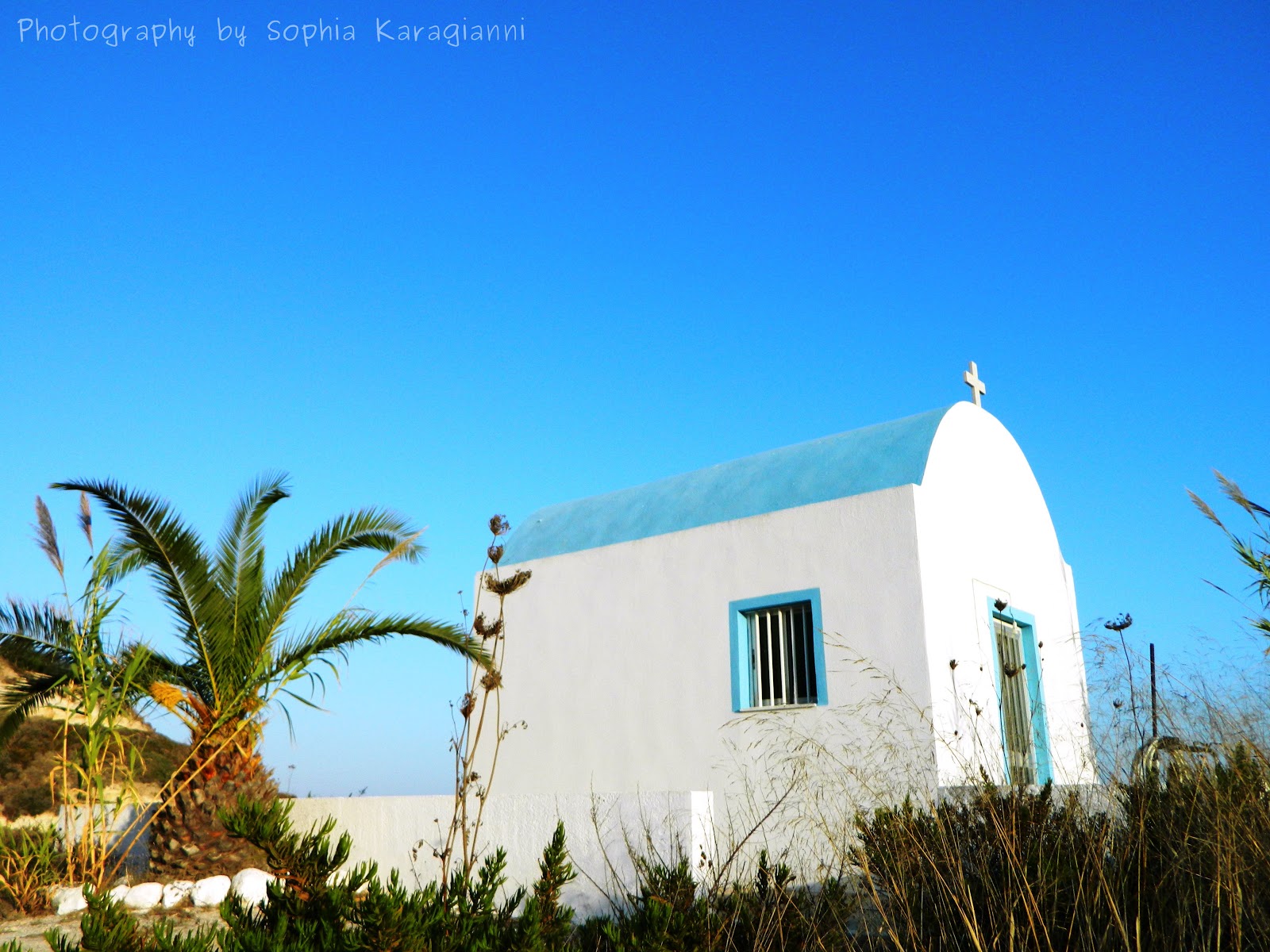
The work was assigned to the Italian company Sardelli, whose intention was to salvage the marble iconostasis, the marble bishop’s throne, the square marble floor slabs, and to reinforce in place the eight marble columns.

This difficult and meticulous task was carried out with great care by the supervising engineer Coccheri and his team. Coccheri, in fact, fell from a height of at least eight meters while standing on the roof of the church during demolition, but survived “as if by a miracle.” The accident deeply moved the people of Kos, who regarded his effort as an act of self-sacrifice. In 1934, he was awarded a golden cross by Archimandrite Philemon Fotopoulos.

Meanwhile, around late 1935, the Italians declared Saint Nicholas their protector and the patron saint of Kos, and they erected his statue in a niche above the two arches they built on the Miaouli waterfront (opposite the Monument of the Unknown Soldier).

The location where the Italians placed the statue of the island’s patron saint, Saint Nicholas.
Saint Nicholas as seen from the rooftop of the 1st High School.

The new church was eventually completed in early 1939. The total cost reached 350,000 lire. Thus, the people of Kos—and especially the parishioners of Saint Nicholas—once again saw their magnificent Metropolitan Church rebuilt “from the ground up.”

Details from the mosaics in the courtyard.

The Metropolitan Church of Saint Nicholas suffered severe damage during the 21 July 2017 earthquake and remained closed for 5.5 years, until it was repaired and reopened in 2022.

The procession of the icon of Saint Nicholas, 2018.

Τρίτη 4 Δεκεμβρίου 2012

ΟΙ ΕΚΚΛΗΣΙΕΣ ΤΟΥ ΑΓΙΟΥ ΣΑΒΒΑ ΣΤΗΝ ΚΩ

ΟΙ ΕΚΚΛΗΣΙΕΣ ΤΟΥ ΑΓΙΟΥ ΣΑΒΒΑ ΣΤΗΝ ΚΩ
1. Ο ΑΓΙΟΣ ΣΑΒΒΑΣ ΣΤΗΝ ΑΝΤΙΜΑΧΕΙΑ
Και οι τρεις εκκλησίες του Αγίου Σάββα που έχω καταγράψει είναι αφιερωμένες στον Άγιο Σάββα αλλά και στον νεότερο Άγιο Σάββα εν Καλύμνω.
Η συγκεκριμένη, στην Αντιμάχεια γιορτάζει μόνο αύριο (5-12)
Το εσωτερικό του ναού

περισσότερες πληροφορίες για τη ζωή και το έργο του Αγίου Σάββα εν Καλύμνω

Όσιος Σάββας ο Νέος ο εν Καλύμνω
Ημερομηνία εορτής: 01/04/2012
Τύπος εορτής: Με βάση το Πάσχα.
Εορτάζει 14 ημέρες πριν το Άγιο Πάσχα.
Άγιοι που εορτάζουν: Όσιος Σάββας Ο Νέος Ο Εν Καλύμνω (1862 - 1948)

πληροφορίες για τη ζωή του Αγίου Σάββα: http://bit.ly/VidqC4

2.Ο ΑΓΙΟΣ ΣΑΒΒΑΣ Ο ΕΝ ΚΑΛΥΜΝΩ ΣΤΟ ΠΥΛΙ
Στο Πυλί στην ενορία του Αγίου Γεωργίου, Τσιανή-Σικαμίνια, ανάμεσα στα σπίτια υπάρχει το όμορφο περιποιημένο εκκλησάκι του Αγίου Σάββα Εν Καλύμνω.

3. Ο ΑΓΙΟΣ ΣΑΒΒΑΣ ΣΤΗΝ ΠΕΡΙΟΧΗ ΜΠΑΓΙΑΤΗ
Κοντά στο Ζηπάρι στην περιοχή Μπαγιάτι, έχουν ανεγερθεί από το 1966 μέχρι το 2002 10 ναϋδρια σε κτήμα της Μοναχής Χαριτίνης Κατρά. Ένα εξ'αυτών είναι ο Άγιος Σάββας (τα υπόλοιπα είναι: Αγία Τριάδα, Χριστός, Παναγία Γερόντισσα, Αγία Ειρήνη Χρυσοβαλάντου, Άγιος Ιωάννης ο Καλυβίτης, Άγιος Φανούριος, Άγιος Παντελεήμων, Άγιος Νεκτάριος, Αγία Αναστασία).
Τα περισσότερα προέρχονται από τάματα ή αφιερώματα πιστών και μέχρι πρόσφατα συντηρούνταν με την καθημερινή φροντίδα της Μοναχής. Είναι όλα μονόχωρα, σχεδόν όμοια, με ημικυκλική αψίδα και μικρό τρούλλο που στηρίζεται σε τετράγωνη βάση.
χρόνια πολλά στους Σάββες και στις Σαββίνες που γιορτάζουν και χαρίζω μία φωτογραφία  με μία πιο καλλιτεχνική προσέγγιση του ονόματος.
  
 φωτογραφίες: Sophia Karagianni

Ακολουθεί η μετάφραση του κειμένου στα αγγλικά:

CHURCHES OF SAINT SAVVAS ON KOS ISLAND

SAINT SAVVAS IN ANTIMACHEIA

All three churches of Saint Savvas that I have documented are dedicated both to Saint Savvas and to the newer Saint Savvas of Kalymnos.
This particular one, in Antimacheia, celebrates only tomorrow (5 December).

The interior of the church
More information about the life and works of Saint Savvas of Kalymnos:


SAINT SAVVAS THE NEW OF KALYMNOS ISLAND

Feast date: 01/04/2012
Type of feast: Based on Easter.
Celebrated 14 days before Holy Pascha.
Saints commemorated: Saint Savvas the New of Kalymnos (1862–1948)

Information about the life of Saint Savvas:
 
SAINT SAVVAS OF KALYMNOS IN PYLI

In Pyli, in the parish of Saint George, in the area of Tsiani–Sikaminia, among the houses stands the beautiful, well-kept little chapel of Saint Savvas of Kalymnos.

SAINT SAVVAS IN THE BAGIATI AREA

Near Zipari, in the area of Bagiati, ten small chapels have been built between 1966 and 2002 on land belonging to the nun Charitini Katra.
One of these is the chapel of Saint Savvas (the others are: Holy Trinity, Christ, Panagia Gerontissa, Saint Irene Chrysovalantou, Saint John the Hut-Dweller, Saint Phanourios, Saint Panteleimon, Saint Nektarios, Saint Anastasia).
Most of them were built as vows or dedications by the faithful, and until recently they were maintained through the nun’s daily care.
They are all single-aisled, almost identical, with a semicircular apse and a small dome supported on a square base.

Warm wishes to all Savvas and Savvina who celebrate today,
and I’m sharing a photo with a more artistic interpretation of the name.

Δευτέρα 3 Δεκεμβρίου 2012

ΟΙ ΕΚΚΛΗΣΙΕΣ ΤΗΣ ΑΓΙΑΣ ΒΑΡΒΑΡΑΣ ΣΤΗΝ ΚΩ

ΟΙ ΕΚΚΛΗΣΙΕΣ ΤΗΣ ΑΓΙΑΣ ΒΑΡΒΑΡΑΣ ΣΤΗΝ ΚΩ

Η ΑΓΙΑ ΒΑΡΒΑΡΑ ΣΤΗΝ ΚΑΡΔΑΜΑΙΝΑ
τοποθεσία: Αγία Βαρβάρα (λόγω παλιάς εκκλησίας στην περιοχή)
Κτήτωρ: Μαρία Κατσίλλη-Ιακωβίδου
Η Μαρία Κατσίλλη-Ιακωβίδου (εκπαιδευτικός) αρρώστησε κατά την περίοδο της γερμανικής κατοχής από φυματίωση. Η συγκοινωνία με την Αθήνα δεν ήταν εύκολη λόγω του πολέμου και κάποιος Γερμανός γιατρός της συνέστησε "ν' αλλάξει κλίμα" και να πάει για ένα μήνα στην Κέφαλο. Εκεί είδε όνειρο την Αγία Βαρβάρα, που της είπε ότι θα βρεθεί μέσο να πάει στην Αθήνα και ότι θα γίνει καλά.
Όταν ήρθε στο χωριό, έμαθε ότι ο Στέλιος ο Πατσής κάνει εμπόριο με μεγάλα καϊκια και πάει στην Αθήνα. Την πήρε μαζί του μια μέρα, που ο καιρός δεν ήταν και τόσο καλός.
Βρήκαν τρικυμία στο ταξίδι, αλλά η Μαρία τον καθησύχαζε, λέγοντάς του: "Μας προστατεύει η Αγία Βαρβάρα και μη φοβάσαι". Έφτασαν στην Αθήνα. Η Μαρία μπήκε στο νοσοκομείο κι έγινε καλά.
Μετά από χρόνια έψαχνε χώρο εκεί που ήταν ο παλιός ναός, να χτίσει το νέο, αλλά δεν της επέτρεψαν, γιατί ύστερα από ανασκαφές βρήκαν την Αγία Τράπεζα της παλιάς εκκλησίας.
Αναγκάστηκε τότε να ζητήσει από τον αδερφό της Δημήτρη, οικόπεδο, δίνοντάς του άλλο χωράφι στην περιοχή των Αγίων Αναργύρων.
Τελευταία αρρώστησε πάλι και βιαζόταν να χτίσει την εκκλησία. Το είπε στον αδερφό της, Αντώνη,  που ήταν χτίστης αλλά αυτός της απάντησε να μην βιάζεται, γιατί έχει άλλες δουλειές.
Η Αγία παρουσιάστηκε στον Αντώνη και του είπε να βιαστεί. Ο Αντώνης άφησε τις άλλες δουλειές και τέλειωσε την εκκλησία. Η Μαρία έκανε εγκαίνια και κάλεσε όλο το χωριό.
Έλεγε στους χωριανούς: "Ελάτε στο γάμο της κόρης μου", μιας και δεν αξιώθηκε από το Θεό να κάνει παιδιά.
Έζησε 18 χρόνια από τότε που της παρουσιάστηκε η ασθένεια. Έφυγε από τη ζωή ήσυχη, διότι έκαμε το χρέος της στην Αγία Βαρβάρα-την κόρη της- όπως την έλεγε.
κείμενο: Οι εκκλησίες της Καρδάμαινας- π.Ιωάννη Περαντωνάκη (ιεροδιδάσκαλου)
φωτογραφίες: Sophia Karagianni

ΑΓΙΑ ΒΑΡΒΑΡΑ-ΚΕΦΑΛΟΣ
                                                                 Με θέα το Καμάρι

Η ΑΓΙΑ ΒΑΡΒΑΡΑ ΣΤΟ ΣΤΡΑΤΟΠΕΔΟ ΑΝΤ/ΓΟΥ ΘΡΑΣΥΒΟΥΛΟΥ ΤΣΑΚΑΛΩΤΟΥ ΜΕΣΑΡΙΑ
φωτογραφίες: Sophia Karagianni

Η Αγία Βαρβάρα, δεν είναι μόνο προστάτης των όπλων, αλλά θεραπεύει και την ανεμοβλογιά, μια κυρίως παιδική Ασθένεια, που αφήνει στίγματα. Για το λόγο αυτό οι νοικοκυρές, φτιάχνουν εθιμοτυπικά στην χάρη της τα γνωστά βάρβαρα. Αυτά είναι νηστίσιμος χυλός χωρίς λάδι, με ζάχαρη, βρασμένο σιτάρι, σησάμι, ρόδι, ανακατεμένα με όσπρια, ξηρούς καρπούς και μπαχαρικά. (Το Λύκειο Ελληνίδων της Κω κάθε χρόνο διοργανώνει εκδήλωση όπου προσφέρονται βάρβαρα)

Περισσότερες πληροφορίες για τη ζωή της Αγίας Βαρβάρας:
http://www.matia.gr/7/72/7203/7203_3_2.html

Ακολουθεί η μετάφραση του κειμένου στα αγγλικά:

THE CHURCHES OF SAINT BARBARA ON KOS
SAINT BARBARA IN KARDAMAINA


Location: Agia Varvara (named after the old church that once stood in the area)
Founder: Maria Katsilli-Iakovidou

Maria Katsilli-Iakovidou, a schoolteacher, became ill with tuberculosis during the period of German occupation. Travel to Athens was difficult because of the war, and a German doctor advised her to “change climate” and spend a month in Kefalos. While there, she had a dream of Saint Barbara, who told her that a way would be found for her to travel to Athens and that she would recover.

When she returned to the village, she learned that Stelios Patsís traded goods with large boats and regularly sailed to Athens. He agreed to take her with him, even though the weather that day was not good.
During the journey they encountered a storm, but Maria reassured him, saying:
“Saint Barbara is protecting us—do not be afraid.”
They reached Athens safely. Maria was admitted to the hospital and recovered.

Years later, she began searching for land where the old church had stood so she could build a new one. She was not permitted to do so, because excavations had revealed the Holy Table of the original church.
She then asked her brother Dimitris for a plot of land, giving him another field in the Agii Anargyri area in exchange.

When her health deteriorated again, she became anxious to see the church completed. She told her brother Antonis—who was a builder—but he told her not to rush, as he had other work. Saint Barbara appeared to Antonis and told him to hurry. Antonis abandoned his other projects and finished the church. Maria held the inauguration ceremony and invited the entire village.

She would tell the villagers:
“Come to my daughter’s wedding,”
as she had never been blessed with children and considered Saint Barbara her daughter.

She lived for 18 years after her first illness. She passed away peacefully, having fulfilled what she saw as her sacred duty to Saint Barbara—her “daughter,” as she called her.

Text from “The Churches of Kardamaina” by Fr. Ioannis Perantônakis (hierodidaskalos)
Photos: Sophia Karagianni

SAINT BARBARA – KEFALOS
Overlooking Kamari

SAINT BARBARA AT THE Thrasivoulos Tsakalotos MILITARY CAMP – MESARIA

Photos: Sophia Karagianni

Saint Barbara is not only the protector of artillery but is also believed to heal chickenpox, a childhood disease that often leaves marks on the skin. For this reason, households traditionally prepare vávara in her honor.
This is a Lenten, oil-free porridge made with sugar, boiled wheat, sesame seeds, pomegranate, mixed with legumes, nuts, and spices. (The Lyceum Club of Greek Women in Kos organizes an annual event where vávara is offered.)