Ο ΠΥΡΓΟΣ ΤΟΥ ΔΕΣΠΟΤΗ

Κοντά στις φυλακές στην περιοχή του Πλατύ ποταμού υπάρχει ένα κτίσμα του 17ου – 18ου αιώνα. Είναι ένας τυπικός πύργος - σπιτι με οπλοθυρίδες χωρίς παράθυρα που ονομάζεται ο Πύργος του Δεσπότη και θεωρείται το τελευταίο καστρόσπιτο της Κω.

Ο Εμμανουήλ αναφέρει: «Το 1736 κάποια Καλή πρεσβυτέρα αφιέρωσε τόν μεγάλον της πύργον με την αποστροφήν καί με όλον το αμπέλι διά μνημόσυνον αιώνιον αυτής και της αποθανούσης θυγατρός αυτής Αικατερίνης στην Αρχιεπισκοπή Κω νά πηγαίνη από Αρχιερέα εις Αρχιερέα εις αιώνα τον άπαντα».
 |
| Διακρίνονται τα πολεμιστροειδή παράθυρα |
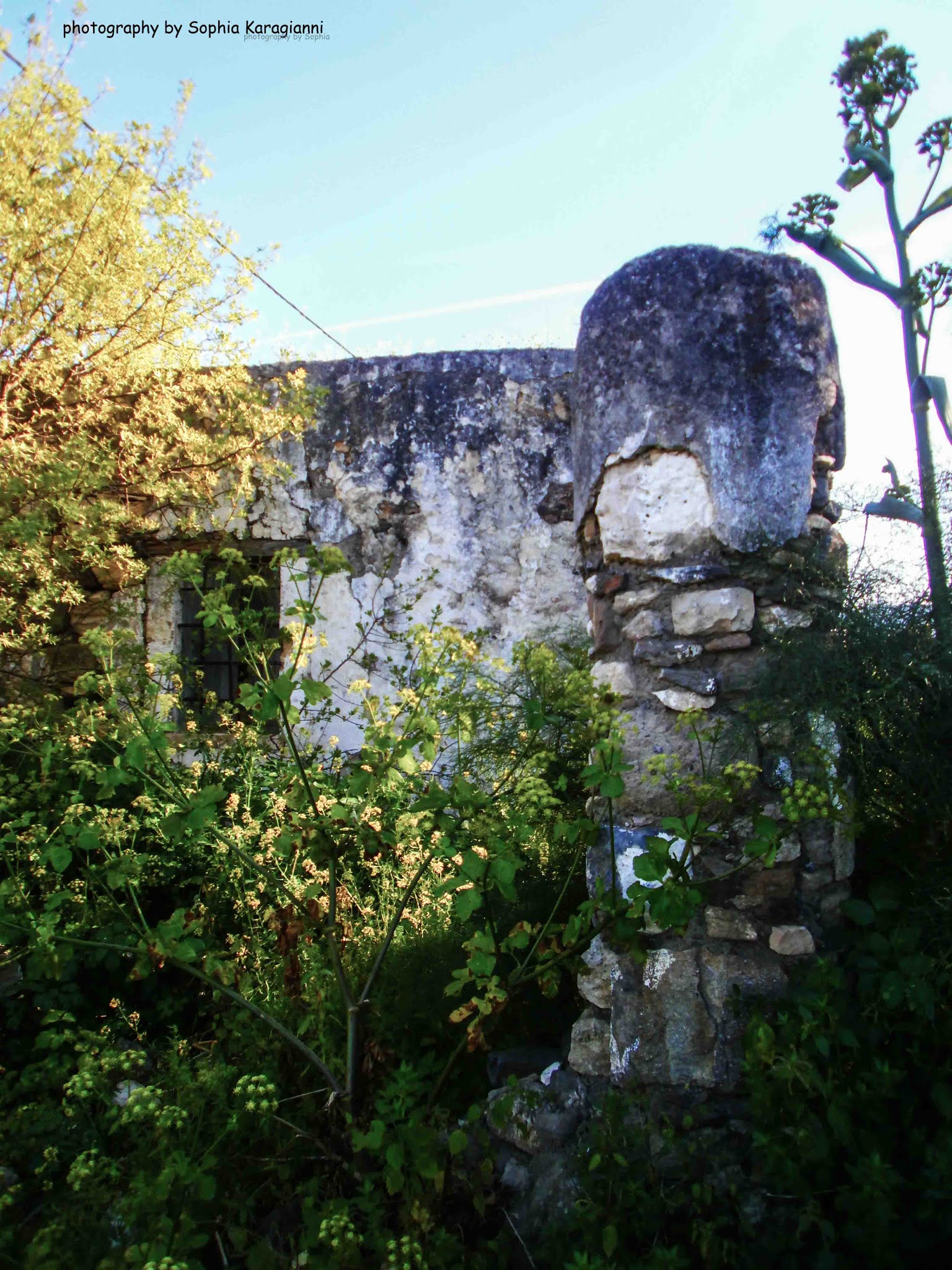
Στην τοιχοποιία του φαίνονται αρχαία μαρμάρινα μέλη, όπως ένα κιονόκρανο κορινθιακού ρυθμού και διάφορα σκαλιστά μάρμαρα.


 |
| Λεπτομέρειες από αρχαίους λαξευμένους λίθους και κιονόκρανα εντοιχισμένα στη γωνία του πύργου. |




Ιστορία της Κω Γ' τόμος (Από την Τουρκοκρατία μέχρι την Ενσωμάτωση) Έκδοση Νομαρχιακής Αυτοδιοίκησης Δωδεκανήσου-Επαρχείο Κω 2002 (σελίδα 19)
Φωτογραφίες: Sophia Karagianni
Ακολουθεί η μετάφραση του κειμένου στα αγγλικά:
THE BISHOP’S TOWER
Near the prison, in the area of Platy Potamos, stands a structure dating to the 17th–18th century. It is a typical tower-house with loopholes and no windows, known as the Bishop’s Tower, and is considered the last surviving fortified house of Kos.
Emmanuel records the following:
“In 1736, a certain Kali, the priest's wife, dedicated her great tower, together with its outbuilding and the entire vineyard, as an eternal memorial for herself and her deceased daughter Aikaterini, to the Archbishopric of Kos, to pass from Archbishop to Archbishop for all eternity.”
The tower features embrasure-like openings. In its masonry one can see ancient marble members, such as a Corinthian-style capital and various carved marble fragments.
Details of ancient carved stones and capitals are embedded in the corner of the tower.
The period in which it was built—probably the 17th century—was a difficult time. It was a private fortified residence during an era when decline had begun in the Ottoman Empire. Piracy and corruption plagued the islands, including Kos. As described by travelers of the time, the building was protected against raids by pirates from the sea or bandits on land, reflecting the troubled conditions of that period.
Unfortunately, today the building—or what remains of it—has been left to its fate. The collapse of part of it is evident. Observing it on Google Earth, it appears that the collapse of the northeastern section of the tower occurred between 2013 and 2016. It likely also suffered damage in the 2017 earthquake.
It is unknown who owns it, but it is a clear example of a Koan private tower-house of the 16th–18th century, unique on Kos and worthy of protection. It could even become accessible to visitors and serve many other purposes—if only the responsible authorities were to take interest. Otherwise, we should at least take photographs while we can, because soon the building may no longer exist.

Δεν υπάρχουν σχόλια:
Δημοσίευση σχολίου